
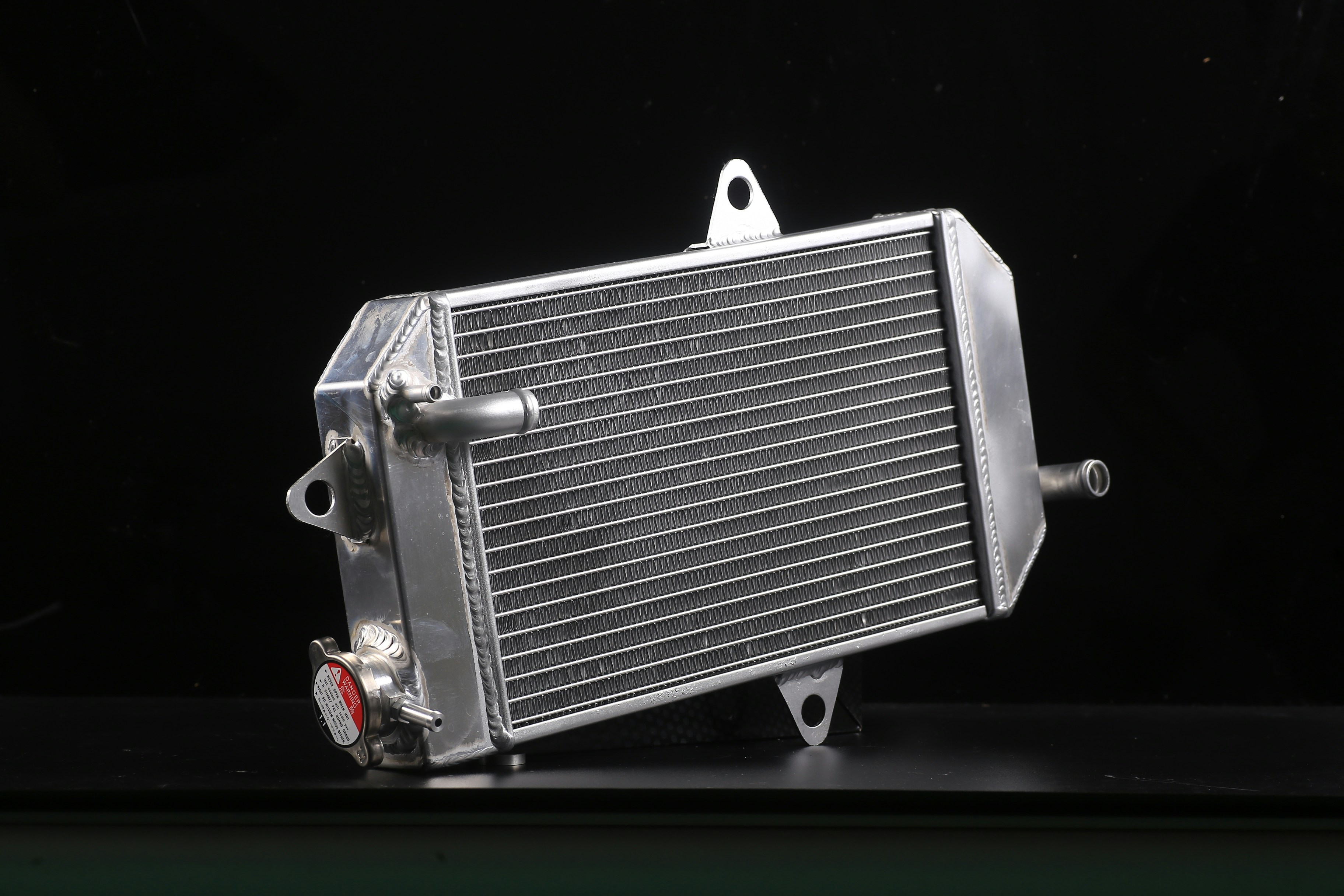
In any performance vehicle, the radiator serves as a critical component that directly impacts the engine’s efficiency and longevity. The primary function of a radiator is to dissipate heat generated during the combustion process. As the engine operates, it produces an immense amount of energy, which in turn generates heat. A radiator effectively cools the engine by circulating coolant through its system, absorbing heat away from the engine block and transferring it to the atmosphere. This process not only maintains optimal operating temperatures but also prevents potential damage due to overheating.
High-performance engines, often found in modified or project vehicles, generate significantly more heat compared to standard engines. As a result, traditional radiators may struggle to cope with the increased thermal load. Many factory-installed radiators are designed with everyday driving conditions in mind, thereby limiting their efficiency in high-stress situations typically experienced by project cars. This discrepancy highlights the necessity for an upgrade to a more capable cooling system.
Upgrading to a high-performance aluminum radiator becomes essential not only for ensuring sufficient engine cooling but also for enhancing overall vehicle performance. Aluminum offers superior thermal conductivity compared to other materials, allowing for quicker heat dissipation. Furthermore, these upgraded radiators are often lighter and more durable than their traditional counterparts, contributing to improved vehicle dynamics and longevity. Consequently, for enthusiasts looking to maximize their project car’s potential, investing in a high-performance aluminum radiator is a crucial consideration that can lead to significant improvements in engine performance and reliability.
Understanding the Limitations of Stock Radiators
For vehicle enthusiasts and project car builders, recognizing the limitations of stock radiators is crucial when enhancing performance. Most OEM (original equipment manufacturer) radiators are designed to meet the basic needs of average driving conditions, which may not suffice under high-performance scenarios. One significant limitation is the inadequate cooling capacity of stock radiators. These standard radiators often struggle to dissipate heat effectively, especially when subjected to the elevated temperatures generated by high-performance engines. As a result, engine temperatures can rise to detrimental levels, leading to potential overheating and a decrease in performance.
Another drawback of factory-installed radiators is their susceptibility to corrosion. Many stock radiators are manufactured using materials less resistant to rust and degradation over time. Factors like road salt and low-quality coolant can accelerate this corrosion, diminishing the radiator’s effectiveness. Consequently, as corrosion builds up, the efficiency of heat transfer is impaired, posing a risk to engine performance. This deterioration can often go unnoticed until catastrophic failure occurs, highlighting the necessity for vigilant maintenance.
Furthermore, outdated materials and design further exacerbate the issues associated with stock radiators. Many conventional radiators utilize older technology and materials that may not provide the optimum blend of weight, durability, and thermal efficiency that modern alternatives do. This inadequacy can affect not only cooling efficiency but also the overall longevity of engine components and related systems. In contrast, high-performance aluminum radiators are specifically engineered to address these limitations, offering superior heat dissipation, resistance to corrosion, and enhanced durability. Understanding these drawbacks can help project car owners make informed choices regarding radiator upgrades, ultimately leading to improved vehicle performance.
Advantages of High-Performance Aluminum Radiators
Upgrading to a high-performance aluminum radiator provides several distinct advantages that can significantly enhance the functionality and longevity of your project car. One of the primary benefits is improved heat dissipation. Unlike traditional radiators, high-performance aluminum models feature advanced designs that facilitate faster cooling of engine fluids. This enhanced cooling capability directly contributes to maintaining optimal engine temperatures, thereby reducing the risk of overheating during intense driving conditions.
Another notable advantage of high-performance aluminum radiators is their lighter weight. Aluminum is inherently less dense compared to the materials used in conventional radiators, such as brass or copper. The reduction in weight can positively impact your vehicle’s overall performance and efficiency. A lighter radiator not only aids in weight distribution but can also enhance acceleration and handling, making it an ideal choice for project car enthusiasts looking to optimize their vehicles.
Durability is yet another critical benefit. High-performance aluminum radiators are built to withstand extreme conditions and resist corrosion effectively. They often incorporate welds instead of traditional soldering methods, resulting in a stronger and more reliable product. This enhanced durability not only extends the radiator’s lifespan but also minimizes the need for frequent replacements—an aspect that can prove economically beneficial over time.
In addition to these benefits, a high-performance aluminum radiator typically enhances the overall efficiency of the cooling system. The combination of lightweight construction, superior heat dissipation, and enhanced durability contributes to a system that maintains optimal operating conditions more effectively than stock radiators. Therefore, investing in a high-performance aluminum radiator can be a crucial step in ensuring the robustness and reliability of your project car.
Improved Cooling Capacity: Why It Matters
Upgrading to a high-performance aluminum radiator significantly enhances a vehicle’s cooling capacity, which is crucial for maintaining optimal engine performance. Traditional radiators may struggle to dissipate heat effectively, especially under extreme conditions or during high-performance driving. An aluminum radiator’s enhanced design allows for superior heat exchange due to its ability to transfer heat more efficiently than conventional materials. This is essential for protecting the engine from overheating.
Overheating can lead to various engine issues, including decreased performance, increased wear, and, ultimately, catastrophic engine failure. In essence, the longevity and reliability of the engine are critically linked to its cooling system. A high-performance aluminum radiator not only addresses overheating concerns but also helps maintain engine performance during demanding conditions, enhancing throttle response and overall power output.
Furthermore, aluminum radiators are typically lighter and more durable than their brass or copper counterparts, adding to the vehicle’s overall performance efficiency. This reduction in weight contributes to improved handling and acceleration characteristics, making the car more enjoyable to drive. The superior corrosion resistance of aluminum also means that these radiators can withstand a wider range of environmental conditions without jeopardizing their functionality.
The design of high-performance aluminum radiators is often optimized with larger cooling fins and increased surface areas, which improve airflow and heat dissipation. This design innovation plays a vital role in preventing engine strain during intense operating situations. As a result, drivers can expect a marked improvement in vehicle reliability and performance when making this upgrade.
Installation Considerations for Aluminum Radiators
When considering the installation of a high-performance aluminum radiator in your project car, several factors come into play that ensures optimal performance and functionality. First and foremost, compatibility with your specific vehicle model is crucial. Many aluminum radiators are designed to fit a range of cars, but exact specifications can vary significantly. It is essential to select a radiator that matches your vehicle’s dimensions, mounting points, and hose connections to avoid any complications during installation.
Another important aspect to consider is the tools required for a successful installation. Generally, basic hand tools such as wrenches, screwdrivers, and pliers will suffice. However, additional equipment might be necessary depending on your car’s setup. For example, if your vehicle features a factory-installed aluminum radiator, it may be vital to possess special adapters or fittings to seamlessly integrate the new radiator with existing components. Ensuring you have everything at hand before commencing work will enhance the installation process significantly.
It is not uncommon that some modifications will be necessary during the installation of high-performance aluminum radiators. This may include repositioning or altering mounting brackets to ensure a secure fit, trimming hoses for proper length, or even slight adjustments to the cooling system layout. Familiarity with your vehicle’s cooling design will be advantageous. Furthermore, consulting your radiator manufacturer’s guidelines can provide useful insights on any specific steps required for a successful installation.
In summary, successfully installing an aluminum radiator demands attention to compatibility, appropriate tools, and sometimes, minor modifications. By carefully planning each step, you can enhance your project car’s cooling efficiency while ensuring a smooth installation process.
Cost-Benefit Analysis: Is It Worth the Investment?
When considering the upgrade to a high-performance aluminum radiator for your project car, evaluating the financial implications is crucial. Initially, one might be deterred by the higher upfront costs associated with aluminum radiators compared to traditional options. However, a detailed cost-benefit analysis reveals numerous advantages that can potentially justify this investment.
The purchase price of a high-performance aluminum radiator typically ranges between $200 and $700, depending on the brand and specifications. This initial outlay is often accompanied by installation costs, should you choose to hire a professional mechanic. On the surface, these expenditures may seem significant; however, it is important to weigh them against the long-term savings and performance gains.
One primary benefit of aluminum radiators is their superior heat dissipation capabilities. A high-performance radiator can enhance engine cooling efficiency, leading to improved engine performance and durability. In high-stress situations, such as racing or heavy towing, maintaining optimal engine temperatures is vital. An effective cooling system helps reduce the risk of overheating, which in turn minimizes the likelihood of costly repairs or engine replacements.
Additionally, aluminum radiators are known for their lightweight nature, which contributes to improved fuel efficiency. Reducing weight in a project car often results in better gas mileage, leading to lower fuel costs over time. Furthermore, the durability of aluminum construction correlates with less frequent replacements or repairs, effectively decreasing long-term maintenance costs.
In summary, while the initial outlay for a high-performance aluminum radiator may seem steep, the potential benefits—enhanced engine performance, better fuel efficiency, and reduced maintenance expenses—render it a sound investment for car enthusiasts and everyday drivers alike. A thorough cost-benefit analysis demonstrates that upgrading to an aluminum radiator is likely to yield positive returns in terms of both performance and financial savings over the life of your vehicle.
Real-World Testimonials and Case Studies
The decision to upgrade to a high-performance aluminum radiator is often spurred by first-hand accounts from automotive enthusiasts and professionals who have made the transition. A common theme in testimonials is the significant improvement in engine cooling efficiency, essential for performance vehicles. For instance, a user, who modified a 1978 Ford Mustang, reported that after replacing the stock radiator with a high-performance aluminum variant, the engine temperature remained consistently low even during extreme driving conditions. This user highlighted an increased level of confidence while pushing the vehicle to its limits, citing that the upgrade ensured the engine’s longevity and overall performance enhancement.
Another case study comes from a professional mechanic specializing in custom builds. He noted that clients upgrading to high-performance aluminum radiators experienced improved throttle response and acceleration. He elaborated that the lightweight nature of aluminum radiators contributes to reducing overall vehicle weight, thereby aiding agility and responsiveness. His shop had undertaken various projects where engine performance improvements were immediately noticeable after installing these radiators, leading to greater client satisfaction and repeat business.
In conclusion, the testimonials and case studies shared by automotive enthusiasts illustrate not only the advantages of upgrading to a high-performance aluminum radiator but also demonstrate how such enhancements can significantly impact the driving experience. These real-world experiences serve as invaluable insights for those considering an upgrade to their project cars.
Maintenance Tips for Your New Aluminum Radiator
Maintaining a high-performance aluminum radiator is crucial to ensure its longevity and optimal performance in your project car. One of the first steps in maintaining your radiator is to conduct regular inspections. It is advisable to check for any signs of damage or corrosion at least once a month. Look for leaks, cracks, or any unusual wear, especially in areas surrounding the hose connections. Early detection of problems can prevent more significant issues down the line.
Cleaning your aluminum radiator is another essential maintenance task. Over time, debris, dirt, and other contaminants can accumulate on the radiator’s surface, obstructing airflow and hindering efficiency. To clean your radiator effectively, start by disconnecting it from the vehicle. Use a soft brush and mild detergent mixed with water to gently scrub the exterior. Avoid abrasive materials that could damage the aluminum surface. Rinse the radiator thoroughly and allow it to dry completely before reinstallation.
Establishing a maintenance schedule is paramount. While regular inspections should occur monthly, more comprehensive checks can be performed every six months. This includes flushing the radiator system to remove any accumulated coolant and debris. Consider using a coolant flush product recommended for aluminum radiators to avoid potential damage to the lightweight metal. Additionally, ensure to check the quality of the coolant and replace it as per the manufacturer’s guidelines.
In addition to these tips, it is also beneficial to monitor the operating temperature of the engine. A high-performance aluminum radiator should effectively regulate engine temperatures; if you notice any significant fluctuations, investigate immediately. Consistent monitoring and adherence to these maintenance practices will help extend the life of your aluminum radiator and maintain peak performance for your project car.
Conclusion: Make the Upgrade Today
In the automotive world, ensuring optimal performance involves paying attention to various components, and the radiator is one of the most critical elements. Upgrading to a high-performance aluminum radiator offers numerous advantages that can significantly enhance your project car. These radiators are designed not only to provide better cooling efficiency but also to improve overall performance. The lightweight nature of aluminum contributes to a reduction in overall vehicle weight, thus enhancing speed and handling.
A high-performance aluminum radiator excels with its superior heat dissipation capabilities, ensuring that the engine maintains a stable operating temperature, which is vital for longevity and efficiency. Additionally, these radiators generally have higher fluid capacity and offer a more robust construction than traditional radiators, leading to increased durability and reduced risk of leaks. For project cars that may undergo modifications or high-demand usage, these features are invaluable.
Furthermore, an upgraded aluminum radiator offers aesthetic improvements, presenting a polished and sleek look which can elevate the visual appeal of your engine bay. With the variety of designs and styles available, there is an aluminum radiator tailored to fit nearly any vehicle’s specifications and aesthetic preferences. Investing in a high-performance aluminum radiator is tantamount to investing in the engine’s health and performance.
Therefore, if you are contemplating modifications for your project car, consider the significant advantages that come with upgrading to a high-performance aluminum radiator. The benefits of improved cooling efficiency, durability, and visual appeal alone make it a worthy enhancement. We strongly encourage you to weigh these factors and make an informed decision that will ultimately lead to an optimized driving experience.
 English