
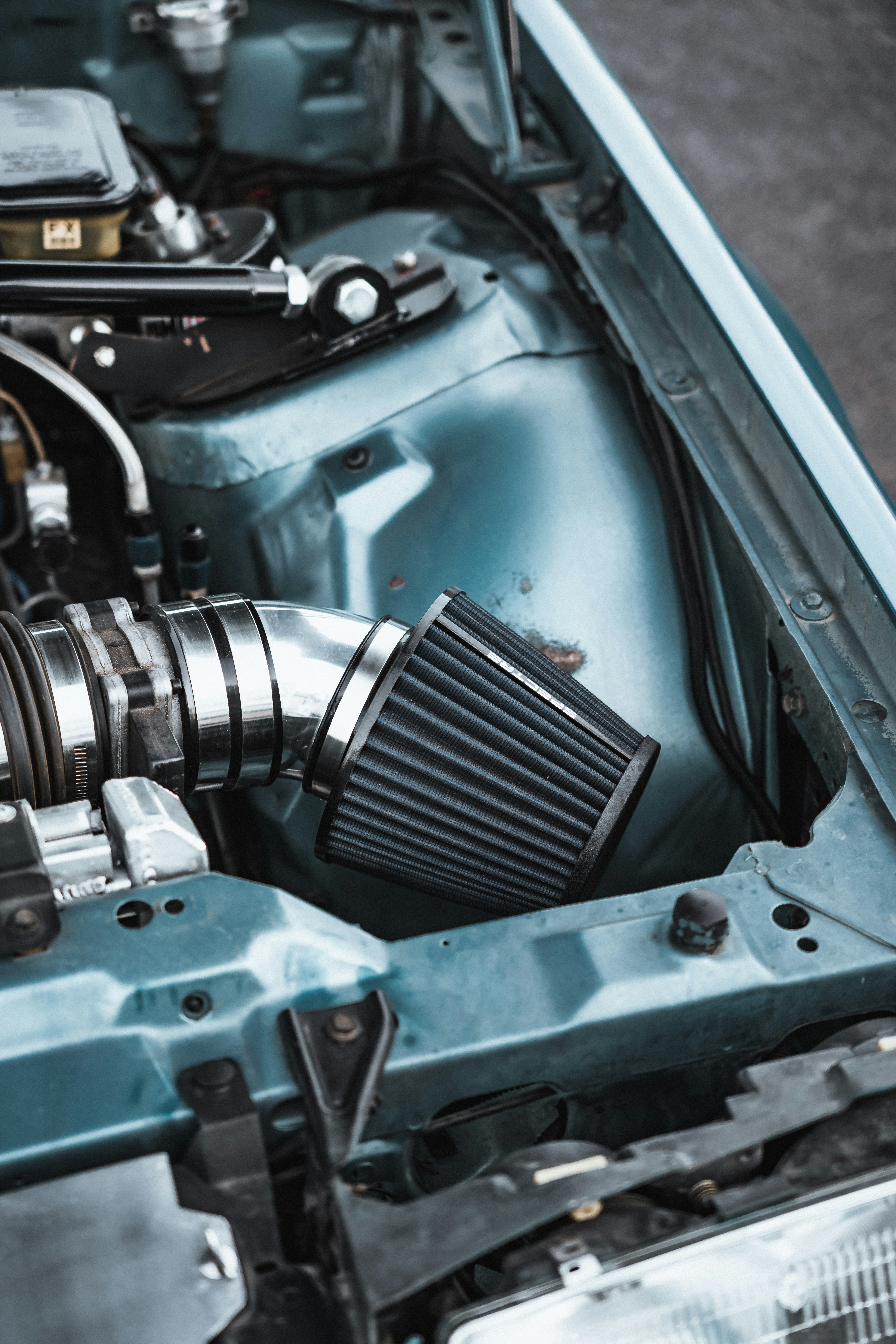
Introduction to Intercooler Cores
Intercoolers play a crucial role in various automotive and industrial applications by facilitating the cooling of compressed air that is fed into the engine or processing system. The primary purpose of these components is to enhance the intake air’s density, contributing to improved engine performance efficiency and reduced chances of knocking. By lowering the temperature of the compressed air, intercoolers help maintain optimal operating conditions for engines and compressors, which can handle increased power outputs without the detrimental effects of heat.
One of the notable designs used in intercoolers is the bar-type intercooler. This design is characterized by multiple vertical bars that create independent airflow channels. The layout promotes effective heat exchange as cooler airflow moves over the bars while compressed air flows through the passages to minimize thermal stress. These bars increase the surface area in contact with the airflow, enhancing heat dissipation while ensuring a robust core structure.
Various intercooler core designs, including bar-and-plate styles, tube-and-fin configurations, and different cooling materials, offer distinct advantages depending on specific requirements. Bar-type intercoolers, for instance, provide a compact and lightweight solution ideal for high-performance applications where space is at a premium. The design allows for significant power gain compared to stock components due to improved thermal efficiency. Furthermore, the materials used in constructing these cores, often aluminum, contribute to both low weight and high durability, catering to the demands of diverse operating environments.
Understanding the fundamental aspects of intercoolers, especially bar-type designs, is essential for optimizing engine performance. The choice of intercooler design will depend on factors such as required airflow, desired cooling capacity, and space constraints within the installation, making it imperative to assess the specific needs of the application.
Understanding Bar Design in Intercoolers
The bar design in intercooler cores is characterized by a series of vertical bars that run parallel to one another, creating distinct passages for the airflow. This structured layout sets it apart from other designs, such as plate and fin intercoolers, which utilize a stack of flat plates with fins attached. The bar configuration allows for a more uniform distribution of air across the core, significantly impacting cooling performance.
One of the primary advantages of bar-type intercooler designs is their lower pressure drop. The air flows more freely through the larger cross-sections created by the bars, reducing turbulence and enhancing overall airflow efficiency. This feature not only contributes to improved cooling but also optimizes the engine’s performance by ensuring a consistent intake temperature, which is vital during high-demand conditions.
Furthermore, bar design intercoolers can be constructed using lightweight materials, making them suitable for performance applications where weight savings are crucial. The ability to manufacture these components from materials such as aluminum enhances heat transfer capabilities, further boosting cooling efficiency compared to seen in traditional designs.
In addition to their improved heat exchange performance, bar-type intercoolers often feature designs that allow for higher pressure capabilities, making them suitable for high-performance turbocharged or supercharged engines. This characteristic provides a robust cooling solution that can withstand the increased pressures generated by such power plants.
In summary, the bar design in intercoolers offers a series of benefits that enhance their functionality. By minimizing pressure drop and maximizing airflow efficiency, they play a critical role in maintaining optimal engine temperatures, especially in demanding performance scenarios. Their structural advantages position bar-style intercoolers as a preferred choice in many automotive applications.
Thermodynamics of Bar Intercoolers
Bar intercoolers are essential components in turbocharged and supercharged engines, designed to regulate the temperature of the intake air. The thermodynamic principles guiding their operation primarily involve heat transfer, airflow dynamics, and pressure drop considerations. Understanding these aspects is vital for optimizing engine performance and ensuring efficiency.
Heat transfer in bar intercoolers is governed by the laws of thermodynamics, where the primary focus is on conduction, convection, and radiation. The intercooler’s core is typically constructed from materials such as aluminum, which boast high thermal conductivity. When charged air from the turbocharger enters the intercooler, it is met with cooler ambient air flowing through the heat exchanger. This interaction facilitates the heat exchange process, where warmer air loses its heat to the cooler air, thereby reducing its temperature before it enters the combustion chamber.
Airflow dynamics play a significant role in determining the efficiency of the heat transfer process. The bar design of the intercooler creates a structured pathway for airflow, allowing for an effective distribution across the surface area of the core. As air travels through the bars, it experiences turbulent flow, which enhances mixing and improves the heat transfer rate. Perfectly designed airflow pathways help minimize stagnation and ensure that every part of the core is utilized for effective cooling.
Another crucial factor affecting the performance of bar intercoolers is pressure drop. As air passes through the tight spaces of the intercooler, it experiences resistance, leading to a decrease in pressure. Balancing the need for effective cooling with the goal of minimizing pressure drop is crucial since excessive resistance can negate the performance benefits of the intercooler. Engineers often employ computational fluid dynamics (CFD) simulations to optimize the design for minimal pressure loss while maintaining maximum thermal efficiency.
Material Selection for Bar Intercoolers
Choosing the right materials for bar intercoolers is imperative, as it directly impacts their thermal performance, weight, cost, and durability. The most commonly used materials in bar intercooler designs include aluminum, copper, and various alloys. Aluminum is the prevalent choice due to its excellent balance of thermal conductivity and weight, which makes it easy to fabricate and install.
Aluminum possesses a thermal conductivity of around 205 W/mK, which allows for efficient heat exchange. This feature is particularly helpful in bar intercoolers, as the primary function is to dissipate heat from compressed air. Additionally, being lightweight, aluminum reduces the overall weight of the intercooler, thereby improving engine performance without compromising structural integrity.
Copper is another material frequently discussed in the context of intercoolers. With a thermal conductivity rating of approximately 401 W/mK, copper is superior in terms of heat transfer. However, it is substantially heavier than aluminum, which can be a disadvantage in applications where weight savings are critical. Moreover, copper is more expensive, which makes it less appealing for cost-sensitive projects. Some manufacturers also use copper in combination with aluminum, balancing cost and performance.
Behavior under harsh environmental conditions should not be overlooked when selecting materials. The durability of the intercooler can significantly affect its lifespan, mitigating the costs associated with replacements. Selecting corrosion-resistant alloys can enhance longevity, especially in applications exposed to moisture or road salt.
Ultimately, selecting the appropriate material for bar intercooler designs is a multifaceted decision that requires consideration of thermal conductivity, weight, cost, and durability. The right choice will not only optimize performance but also extend the service life of the intercooler.
Bar Core Design Optimization
Bar core intercoolers are essential components in vehicle performance systems, designed to enhance engine efficiency by regulating the temperature of intake air. The optimization of bar core geometry plays a critical role in achieving the desired balance between performance and weight. By carefully considering aspects such as fin spacing, core thickness, and overall dimensions, manufacturers can tailor intercoolers to specific applications.
The first factor to consider in bar core design is fin spacing. Fins are critical as they facilitate heat exchange by increasing the surface area available for airflow. Optimal fin spacing ensures that the airflow through the core remains efficient without creating excessive pressure drops. If the fins are spaced too closely, the air can stagnate, raising the risk of heat build-up and diminishing performance. Conversely, if spaced too far apart, this might lead to reduced thermal efficiency due to insufficient interaction with the passing air.
Core thickness is another vital parameter. A thicker core might provide increased thermal mass, allowing for better heat absorption and dissipation. However, this comes at the potential cost of added weight, which could negatively impact overall vehicle performance. Engineers must therefore balance these characteristics, selecting an appropriate thickness that maximizes heat transfer while minimizing the weight penalty expected from using heavier material.
Finally, the geometry of the overall core design, including flow paths and internal structure, can considerably affect performance. Designs such as staggered or inline configurations may be employed depending on the specific requirements of the application, including space constraints and desired airflow rates. Through meticulous optimization of these parameters, bar core intercoolers can be engineered to achieve peak performance tailored to the demands of high-efficiency engines.
Comparative Analysis: Bar vs. Other Intercooler Designs
The design of intercoolers plays a critical role in enhancing performance in various applications, especially in automotive engines. Among the different types of intercoolers, bar intercoolers, tube and fin designs, and plate coolers are prevalent. This section provides a comparative analysis of bar intercoolers against these alternative designs, considering aspects such as thermal efficiency, cost-effectiveness, ease of manufacturing, and their suitability for different applications.
Bar intercoolers are characterized by their straightforward design, which consists of a series of bars arranged parallel to one another, facilitating efficient air-to-water heat exchange. This design enhances thermal performance, as the consistent airflow across the bars significantly improves heat dissipation. In heavy-duty applications where performance is paramount, bar intercoolers often outshine their tube and fin counterparts, especially in terms of heat transfer efficiency.
On the other hand, tube and fin intercoolers are generally more cost-effective and easier to manufacture. Their design incorporates a network of tubes connected by fins that increase the surface area for better cooling. While they are suitable for many uses, they may not provide the same level of thermal efficiency as bar intercoolers, particularly under high-load conditions. Plate coolers, in contrast, offer a compact design and high-efficiency capabilities, making them preferable in space-constrained environments. However, they can be more complex and costly to produce.
In terms of manufacturing, bar intercoolers benefit from relatively straightforward production, making them a viable option for both high-end and budget applications. The selection between bar, tube and fin, or plate cooler designs ultimately depends on specific requirements such as performance demands, financial considerations, and space availability. Understanding the strengths and weaknesses of each type can guide engineers and manufacturers in making informed decisions about intercooler designs for optimal results.
Bar intercoolers have been widely adopted in various high-performance applications, primarily due to their efficient cooling capabilities and robust design. One of the most prominent applications of bar intercoolers can be found in turbocharged vehicles. These vehicles significantly benefit from the cooler intake air provided by these intercoolers, as cooler air is denser and leads to improved engine performance. For instance, many manufacturers of aftermarket turbo kits for performance cars recommend bar intercoolers as they effectively reduce inlet temperatures, allowing for higher boost levels without risking engine knock or detonation.
Heavy-duty engines, such as those used in commercial trucks and construction equipment, also utilize bar intercoolers extensively. In these applications, the durability and reliability of the intercooler are paramount, given the demanding operating conditions. Bar designs are particularly suited for these environments because they can handle the higher pressure and temperature variations that heavy-duty engines generate. Case studies have demonstrated that by using bar intercoolers in heavy-duty applications, manufacturers have achieved significant improvements in overall engine efficiency and reduced exhaust emissions.
Moreover, bar intercoolers are increasingly being explored in performance upgrades. Modifications to existing vehicles frequently include upgrading the intercooler system to enhance turbocharger efficiency. For example, in the tuning community, enthusiasts often find that implementing a bar intercooler can lead to substantial gains in horsepower and torque. A well-known case involved a popular tuning firm that reported an increase in engine performance of up to 20% after upgrading to a high-quality bar intercooler, exemplifying the impact of design on performance outcomes.
Future Trends in Intercooler Design
The design of intercoolers is on the brink of transformation, driven by advancements in material science, technological integration, and the emerging demands posed by electric vehicles (EVs). In recent years, there has been a marked shift towards using lightweight and durable materials such as composites and aluminum alloys. These materials not only improve overall heat transfer efficiency but also reduce the intercooler’s weight, enhancing vehicle performance. The quest for better efficiency often leads to innovative design features, like improved fin geometry which increases surface area for heat exchange without significantly adding to bulk.
Moreover, the integration of technology within intercooler design is becoming increasingly prevalent. Designers are exploring the use of sensors and smart technologies that can monitor and adjust the intercooler’s performance in real-time. This adaptive approach enables better control over engine temperatures, particularly in high-performance situations, which is crucial for ensuring optimal efficiency and durability. Such innovations potentially lead to intercoolers that adjust cooling rates based on driving conditions, optimizing engine performance.
With the rise of electric vehicles, the scrutiny on intercooler requirements is intensifying. EVs, which often rely on sophisticated battery cooling systems, present unique challenges that traditional intercoolers may not easily address. There is significant potential for the development of specialized intercoolers designed to work in tandem with the thermal management systems of electric vehicles, facilitating better energy efficiency. This may prompt a re-evaluation of coolant types and intercooler placement within vehicle architecture, ensuring that the technology meets the demands of next-generation automotive performance.
Conclusion and Final Thoughts
Throughout this discussion on intercooler core designs, particularly focusing on bar-type structures, it has become evident that these designs play a pivotal role in enhancing engine performance and efficiency. Bar intercoolers are known for their excellent heat dissipation properties, which are crucial in turbocharged and supercharged engines. By effectively lowering the intake charge temperature, these designs facilitate improved combustion efficiency, ultimately leading to enhanced power output.
Moreover, the structural integrity of bar designs allows manufacturers the flexibility to customize the dimensions based on specific vehicle applications. This adaptability is particularly advantageous, as it provides engineers with the opportunity to optimize intercooler performance tailored to the desired horsepower and torque characteristics of different engine setups. The intricate arrangement of the bars within the core maximizes airflow while minimizing pressure drop, leading to overall increased efficiency.
In considering these factors, it becomes clear that the adoption of effective intercooler core designs, especially bar configurations, is integral for performance-focused automotive applications. By selecting the right intercooler design, enthusiasts and professionals alike can harness the full potential of their engine setup, translating to better performance on the road or track.
Ultimately, understanding the science behind intercooler designs assists in making informed choices for engine modifications. Prioritizing bar designs not only enhances thermal management but also contributes to longevity and durability in high-performance contexts. As technology evolves, continual refinement of these designs will likely yield even greater benefits for engine performance and efficiency.
 English